
Fundamentally-different Adverse Events
Post #1677

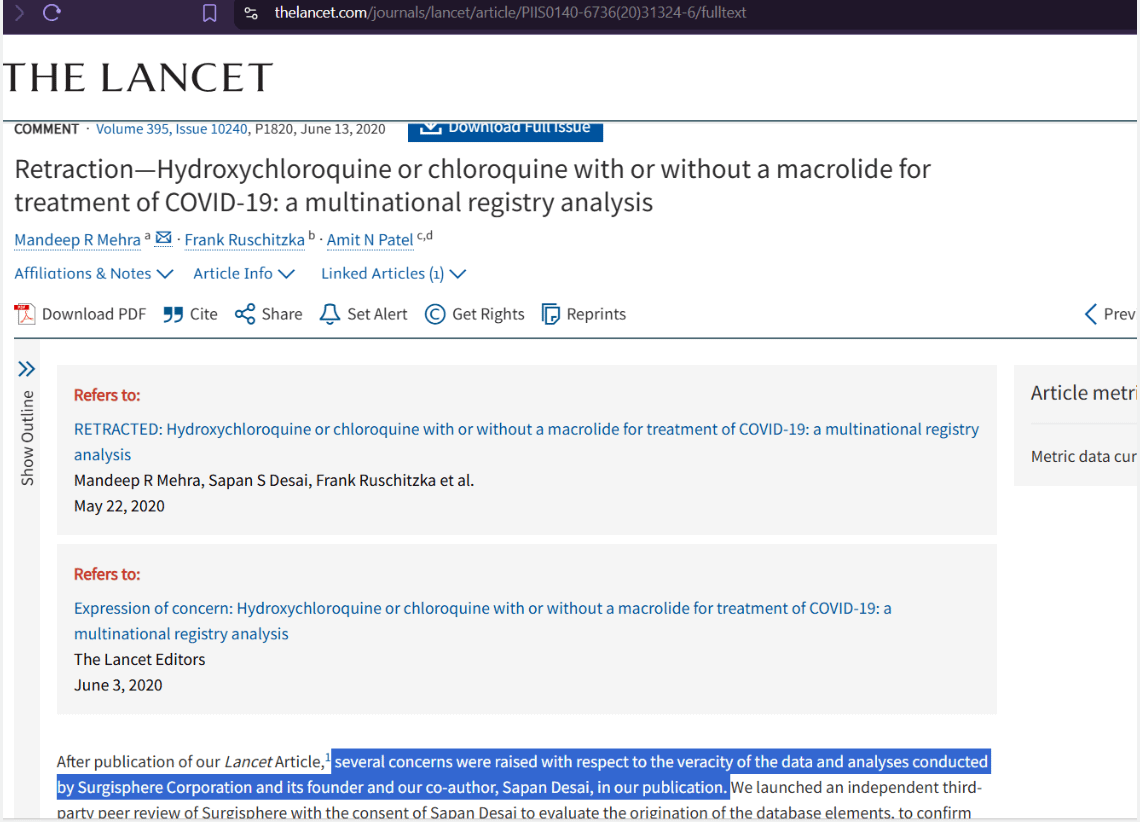
As reported by Jessica Rose over at the Unacceptable Jessica substack, JAMA is attempting to pull a fast-one over on its readers, reminiscent of the infamous Surgisphere scandal, where a “fake” study got published in the attempt to prevent people from utilizing hydroxychloroquine to help them get better from COVID:
This time, instead of faking data to make it look like a promising therapy is harmful, the researchers have presented data that makes it appear as if COVID shots are good for your heart. I wrote about this in an earlier report here.
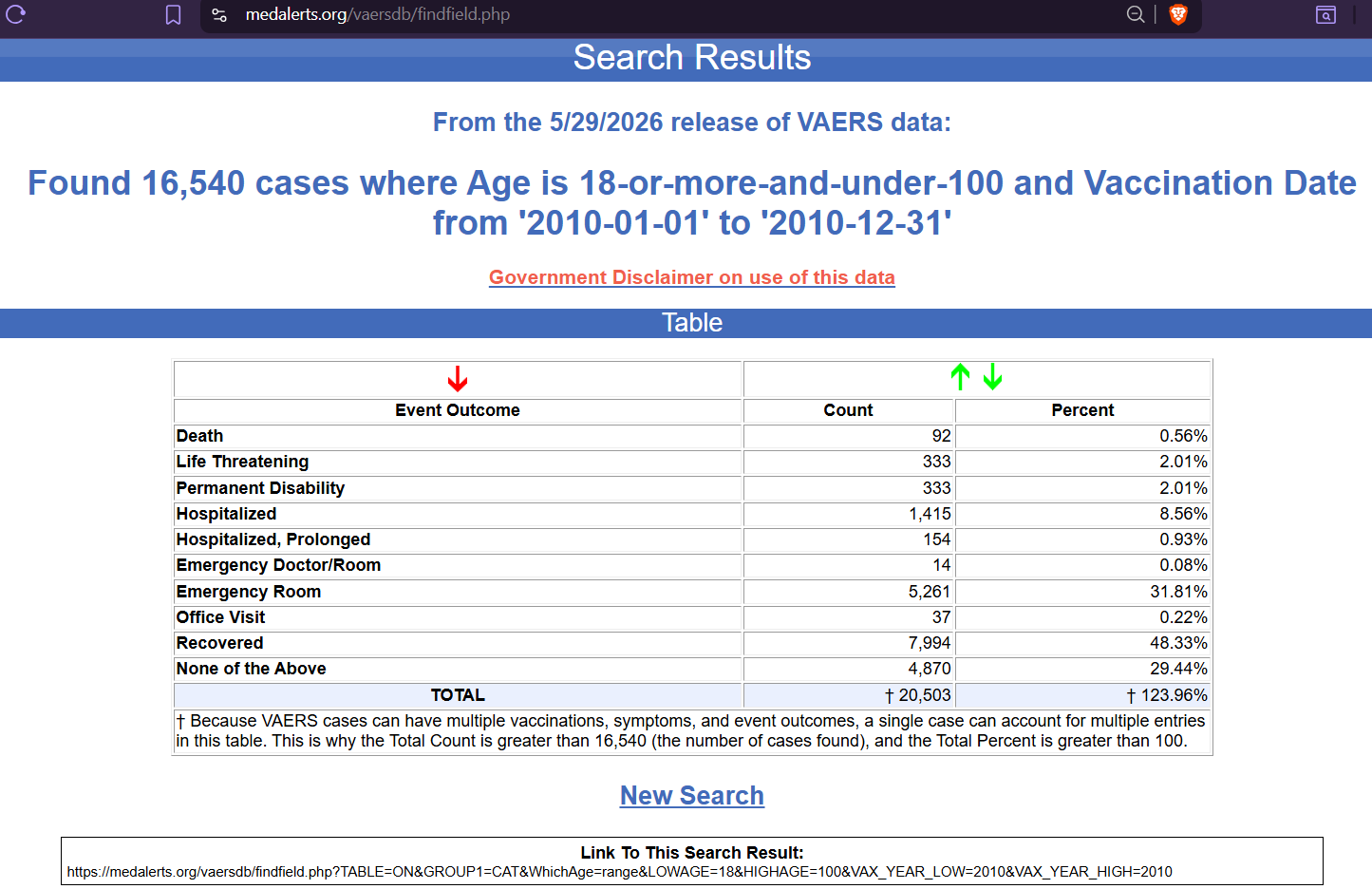
But, because these authors suggest you need 5,000 COVID injections to get one benefit, let’s break down adverse event reports from adults by year of vaccination, and also by 3 broad categories — to see how much harm is caused by 5,000 COVID injections. Here are the percentages of people who reported, who cited birth defects:
Birth Defects
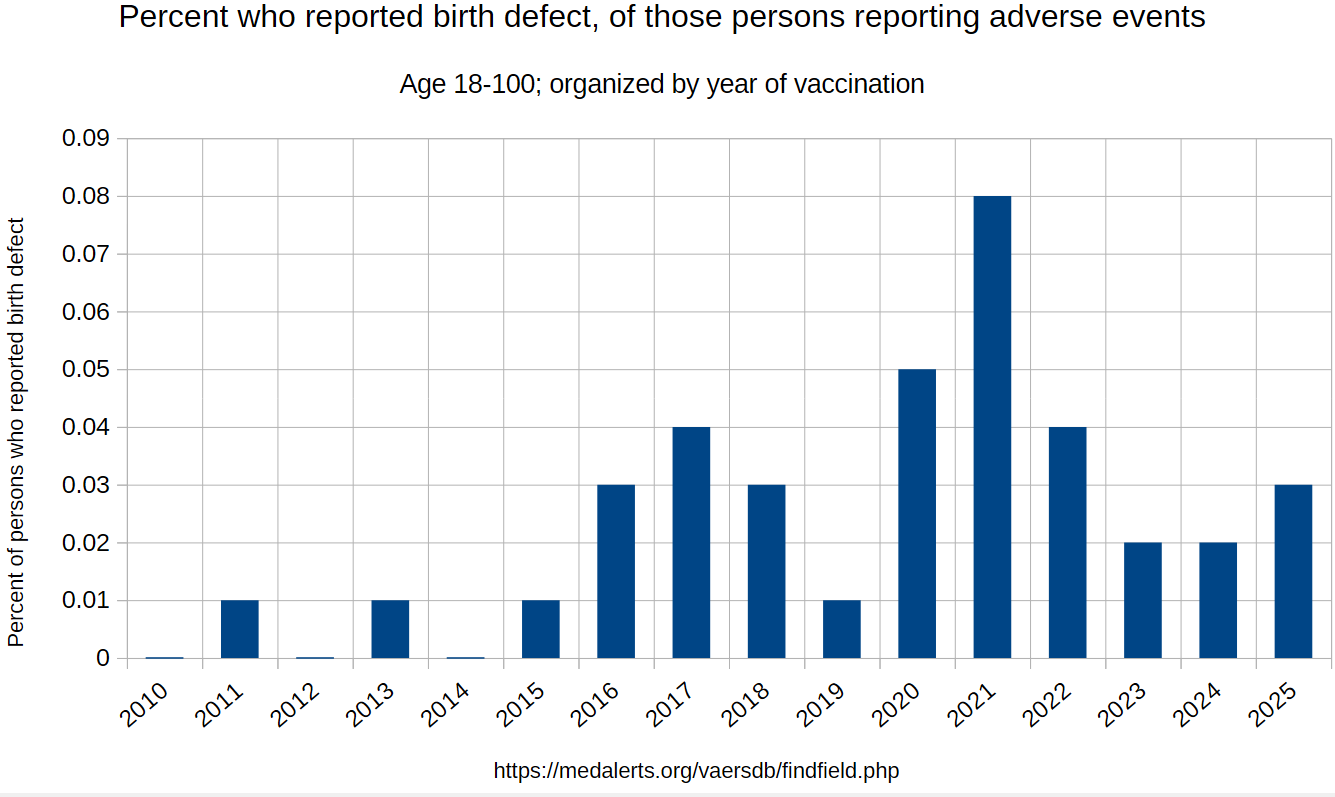
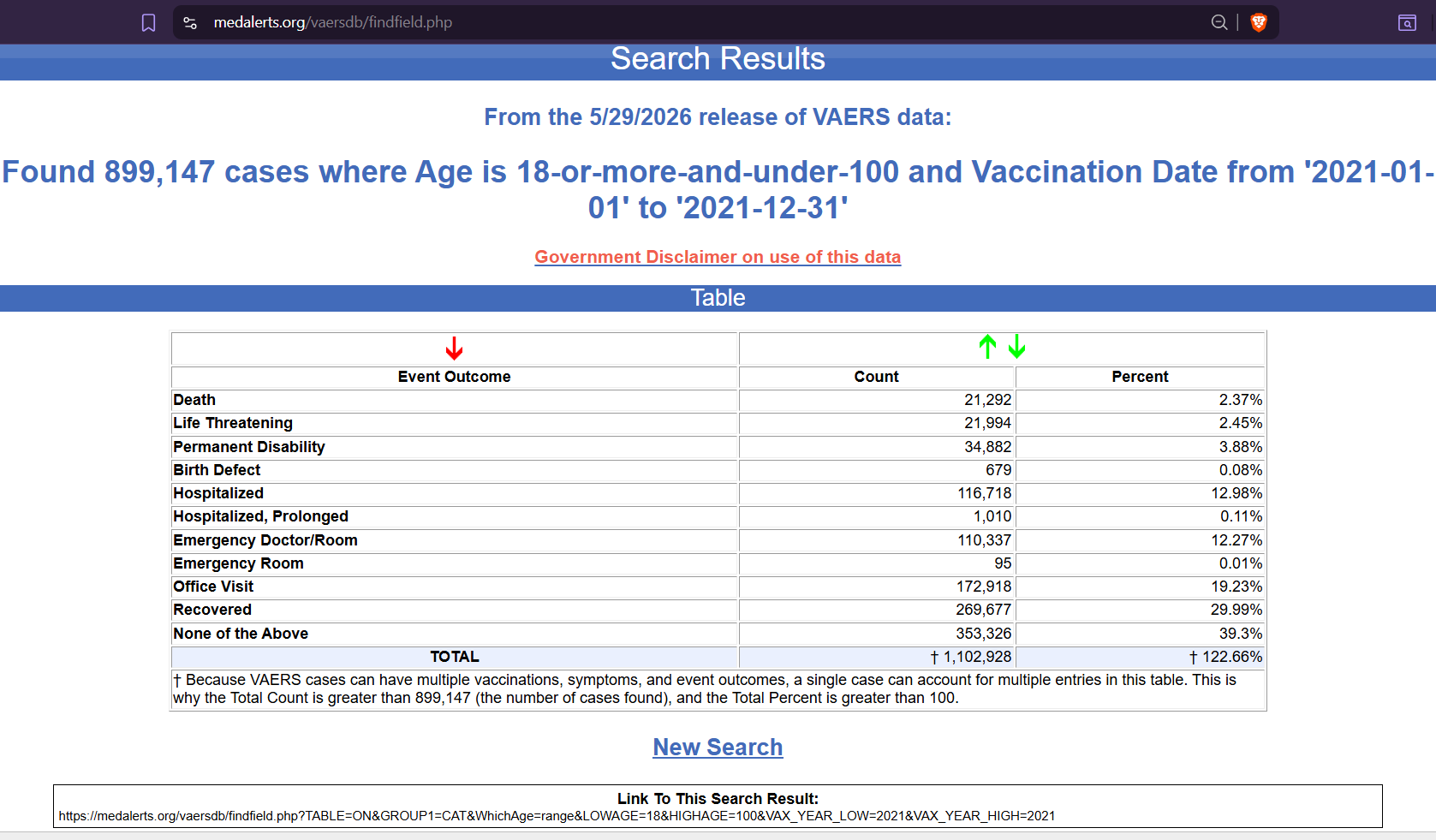
In 2021, there was at least twice the chance that a random report would involve a birth defect, even though the underlying population at risk is limited to women. The 0.08% of persons reporting is one in every 1,250 persons reporting — even though almost half of those 1,250 persons reporting adverse events would be male.
It works out to about 1 report of birth defect in every 700 women reporting adverse effects overall (assuming that 700 of each 1,250 persons reporting are female). If an assumed high** of 14% of each 5,000 injected women report adverse events, then 1 in 5,000 would be a birth defect.
That would make a crude “even trade” (one birth defect caused per cardiac event prevented).
**The historic reporting rate for adverse events is just 68 reports per million doses (far below 1%), although Moderna had 28x as many adverse event reports per million doses (it had 1,880 reports per million doses up to March 2023) — which works out to 0.19%. If general adverse event reports are ~1% of actual events, then 14% is not implausible.
Now let’s check death:
Death
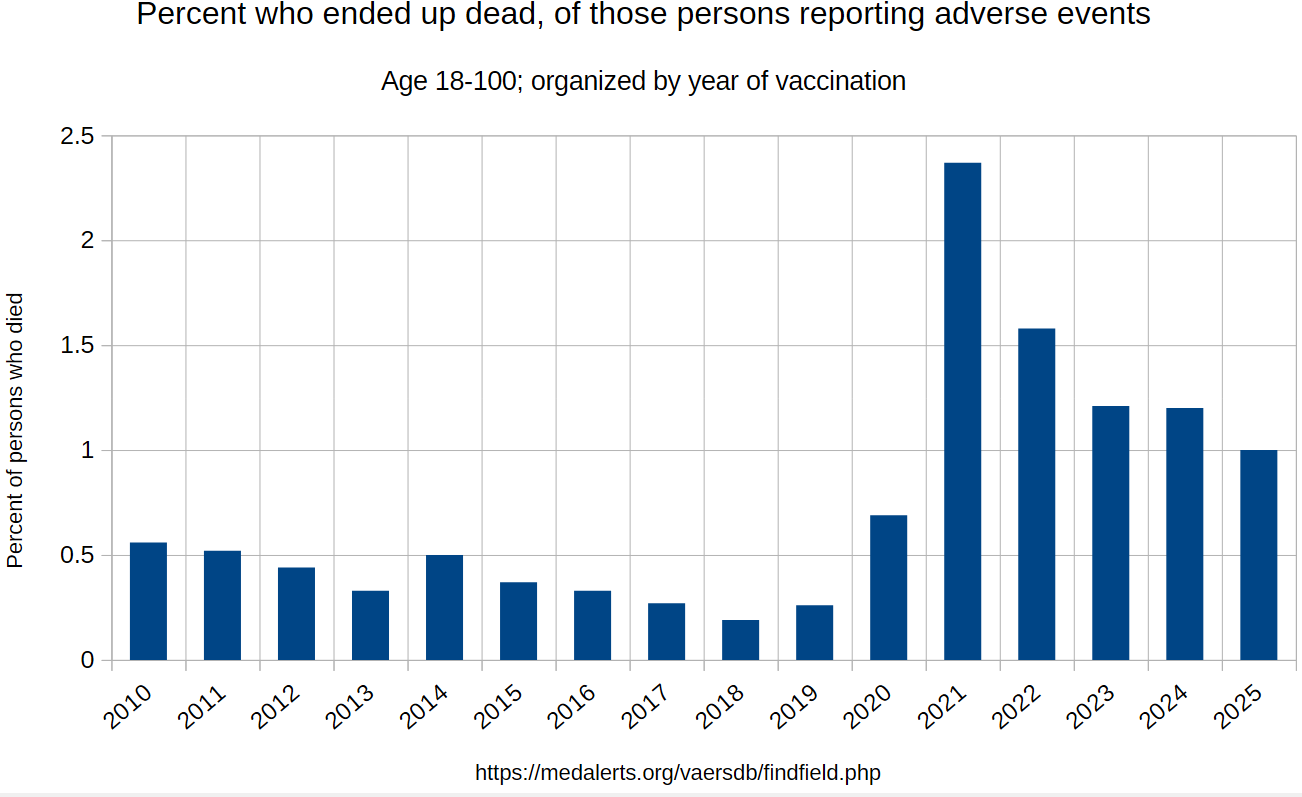
In 2021, there was at least 4x the chance that a random report would involve a death. The death of 2.37% of those persons reporting adverse events is one death in every 42 persons reporting adverse events. If a “high” of 14% of each 5,000 injected with COVID shots report adverse events, then 17 of them would die (to prevent one cardiac event).
That is a harm/benefit ratio of 17/1 (17 must die for each cardiac event prevented). Of course, this analysis is using the worst year of data (2021) and also using an assumed adverse event reporting rate of 14% (high), such that 700 of each 5,000 injected end up reporting an adverse event. Relaxing those assumptions makes results less extreme.
Combined Death/Permanent Disability
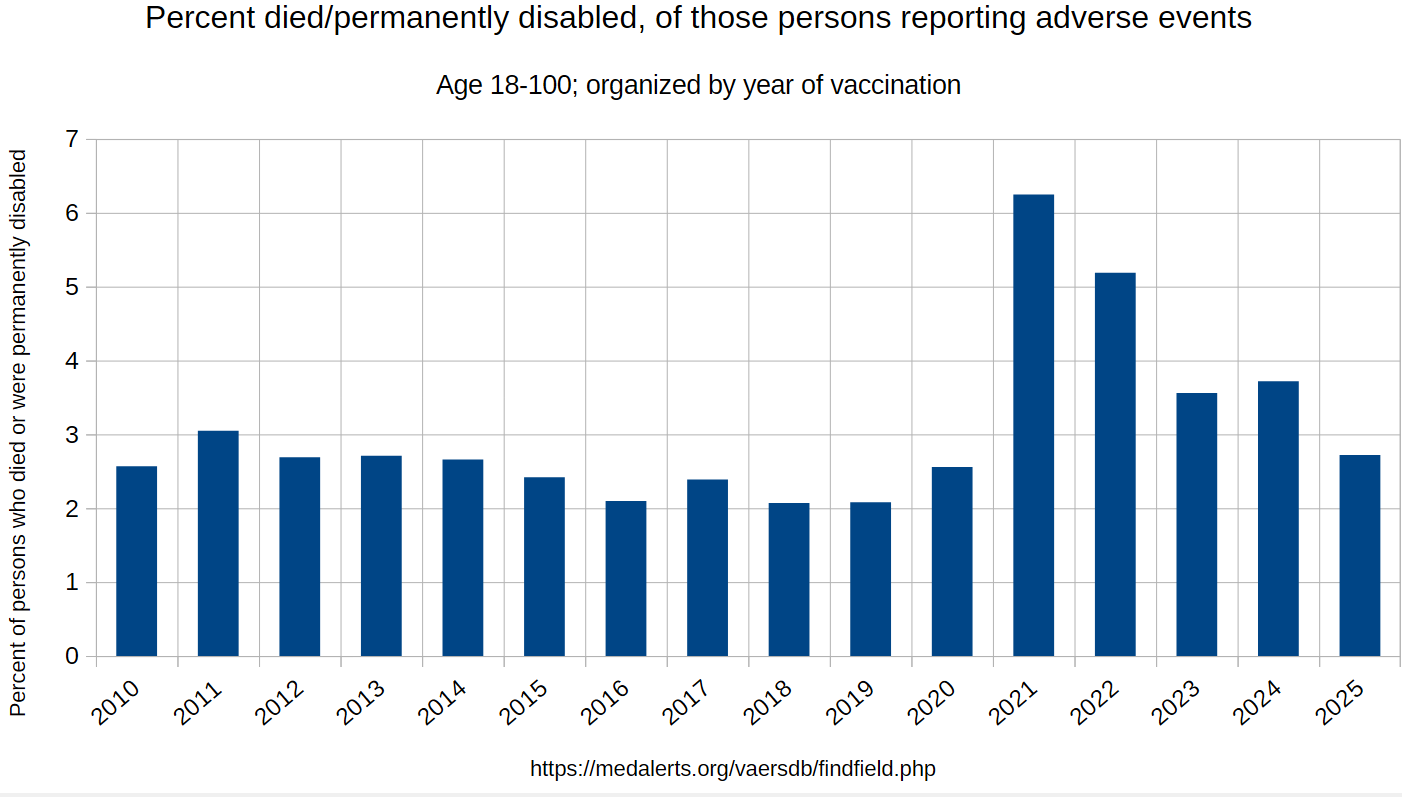
In 2021, there was at least twice the chance that a random report would involve either death or permanent disability. The 6.25% of persons reporting either death or permanent disability is one in every 16 persons reporting adverse events.
Using the “admittedly-high” 14% reporting rate assumption — such that 5,000 injections produces 700 persons reporting adverse events— then 44 persons end up dead or permanently disabled for each cardiac event prevented. The evidence suggests that preventing 1 cardiac event with 5,000 injections is a “fool’s gamble.”
What the raw data looks like (two examples):
2010
2021
Reference
[Lancet retraction] — https://www.thelancet.com/journals/lancet/article/PIIS0140-6736(20)31324-6/fulltext
[search page for VAERS database] — https://medalerts.org/vaersdb/index.php